The Invisible Hand: How Nemawashi Shapes Every Decision in Japan
In corporate Japan, most decisions are made long before any official meeting takes place. While Western CEOs might unveil bold proposals with a dramatic flourish, Japanese leaders prefer to lay the groundwork behind the scenes – lining up consensus well in advance.
Alex Warren, Toyota’s former senior VP, remembers the culture shock vividly. When he first joined the Japanese automaker, he watched American competitors plan new production processes for roughly three months, then implement immediately. Toyota? Nine to ten months of what seemed like endless preparation – more than triple the planning time.
What Warren initially mistook for sluggish bureaucracy was actually (根回し) in action – Toyota’s engineers and line workers being consulted on every detail before proposals ever reached management. By the time formal decisions emerged, potential problems had been identified, concerns addressed, and everyone understood their role. Toyota benefited from smooth implementations with lower error rates than competitors.
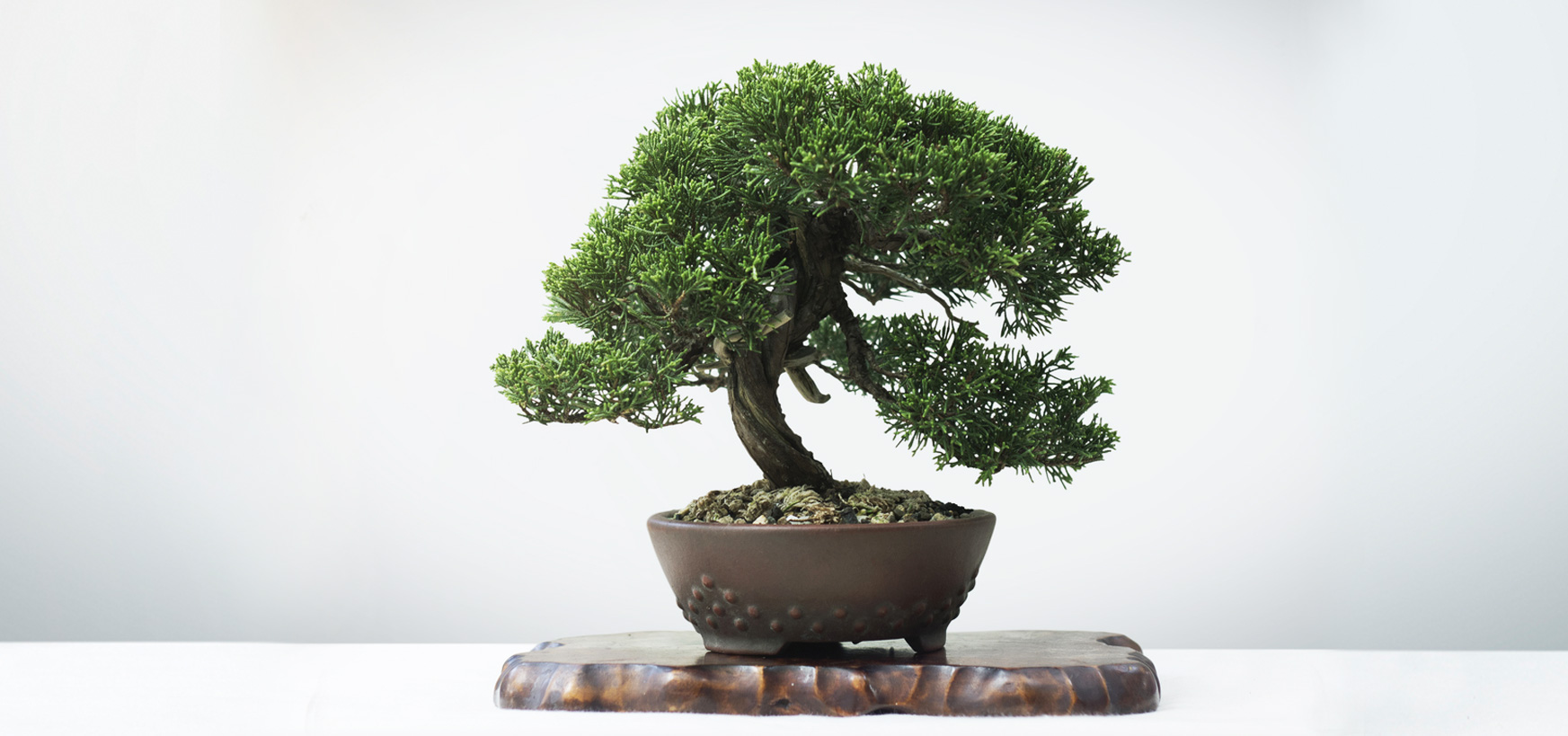
Nemawashi, literally “going around the roots,” is the patient work of preparing organizational soil before any major transplant. Like a master gardener binding root systems months before moving a tree, Japanese managers cultivate consensus through countless private conversations, ensuring that when formal decisions finally emerge, they do so without shock or resistance.
For a deeper dive into the cultural dynamics that make nemawashi essential, watch business consultant Dave ’s insightful breakdown of Japanese workplace hierarchy and consensus culture – where our “Office Sensei” wisdom boxes throughout this article draw their inspiration.
Office Sensei Says: “If you’re presenting a new idea in a Japanese meeting and seeing surprised faces, you’ve already failed. Real nemawashi means everyone knows the script before the curtain rises.”
From garden to government
The term nemawashi springs from horticulture, where gardeners bind a tree’s roots months before moving it to minimize transplant shock. This metaphor captures something essential about Japanese decision-making: major changes require careful preparation of the human ecosystem that will support them.
Japan’s consensus tradition runs deep. Tokugawa-era daimyo governed through councils of senior retainers (karō) who managed domains through collective agreement rather than unilateral decree. Edo merchants in trade guilds (za) developed sophisticated networks for coordinating business decisions where “access to markets depended upon patron influence.”
The Meiji Restoration formalized these traditions into the ringi system (稟議制) – proposals circulating through predetermined routes, gathering approval seals from every department. By the early 20th century, corporations embraced this twin-pillar approach: nemawashi for invisible consensus-building, ringi for visible documentation.
Office Sensei Says: “Think of nemawashi as your stakeholder insurance policy – the time you invest mapping concerns today saves months of implementation headaches tomorrow.”
The mechanics of invisible consensus
So, what actually happens during nemawashi? Picture a middle manager armed with a new proposal and a mental map of every person who might influence its fate. Rather than scheduling a grand presentation, she begins a series of seemingly casual conversations – over coffee, during smoke breaks, at after-work drinks.
The language is deliberately indirect: “I have an idea I’d like to get your thoughts on” rather than “I need your approval.” In Japan’s high-context culture, what isn’t said often matters more than explicit statements. A response like “Hmm, that might be difficult…” translates as polite opposition, while “We’ll examine this positively” signals bureaucratic death.
Skilled practitioners master the art of kuuki wo yomu – “reading the air” – interpreting hesitations, facial expressions, and ambiguous phrases as navigational signals. They approach friendly allies first to build momentum, then carefully engage skeptics after refining proposals based on earlier feedback. Sometimes known opponents are avoided entirely during initial rounds, preventing premature solidification of resistance.
Crucially, nemawashi is bidirectional negotiation, not mere sales pitch. Coordinators actively incorporate feedback, adjusting timelines, budgets, or scope to address colleagues’ concerns. This iterative process continues until all major stakeholders signal tacit approval – or at least neutrality.
Office Sensei Says: “Master the three-touch rule: meaningful nemawashi requires at least three separate conversations with each key stakeholder. First to plant the seed, second to water it with refinements, third to harvest their commitment.”
Culture and psychology
Several Japanese cultural concepts explain nemawashi’s enduring power. Wa (harmony) values group cohesion over individual assertion, making open conflict deeply uncomfortable. The tatemae/honne distinction – between public facade and private feelings – means people rarely voice honest objections in group settings. Nemawashi creates safe spaces where honne can emerge in one-on-one conversations, preventing public embarrassment while addressing real concerns.
Mentsu (face) preservation is equally vital. Confronting someone publicly or forcing them into visible opposition damages their social standing. By gathering input privately, nemawashi allows even senior executives to voice doubts or suggest changes without shame. If a department head’s modification gets incorporated as a “friendly amendment,” their face remains intact.
Japan’s collectivist orientation means decisions are group endeavors, not solo calls. The proverb “the nail that sticks out gets hammered down” reflects pressure to maintain unity. Nemawashi embodies this by ensuring everyone participates in shaping outcomes. Once consensus emerges, responsibility is shared – reducing individual risk while increasing collective commitment.
Office Sensei Says: “Remember: in Japan, the goal isn’t just to make the right decision, but to make it in the right way. Process legitimacy matters as much as outcome quality.”
Modern adaptations
Today’s nemawashi is evolving alongside Japan’s business landscape. Digital communication tools like Slack and LINE now supplement face-to-face conversations, enabling quick consensus checks via direct messages or strategic email CC’s. The COVID-19 pandemic forced some companies to experiment with more open virtual discussions when traditional hallway negotiations became impossible. In some cases, like with Kakuichi, this boosted decision-making speed by a factor of four!
A 2024 business profile highlights Toyota’s practice of spending nine to ten months on planning and employee feedback before limited rollout, which in turn yields “virtually no” implementation problems when scaled. The time budget is a measurable example of nemawashi embedded in operating rhythm.
Younger Japanese professionals, while still practicing consensus-building, prefer streamlined versions over endless after-work drinking sessions. Some firms have introduced anonymous feedback systems or “proposal days” where ideas receive transparent public input alongside private lobbying.
Foreign companies operating in Japan face particular challenges. Executives accustomed to rapid-fire decision-making often struggle with nemawashi’s deliberate pace, mistaking silence for inaction. Successful international firms learn to plant ideas months in advance, allowing time for proper root-binding before expecting formal approval.
Office Sensei Says: “Digital nemawashi is possible, but remember – you can’t read the air through a screen. Save your most sensitive consensus-building for face-to-face moments.”
The global advantage
Despite appearing inefficient to Western eyes, nemawashi offers compelling advantages. Japanese companies tend to report remarkably low rates of corporate litigation and high stakeholder loyalty – when everyone has genuinely signed off, grounds for dispute disappear. Implementation tends to be swift and unified because potential resisters were converted into allies during the consensus phase.
International firms that master nemawashi discover it provides genuine competitive advantage in Japan. They know that once Japanese partners are truly on board through proper consultation, those relationships become extraordinarily durable and committed.
Office Sensei Says: “Think of nemawashi as relationship compound interest – small investments in consultation today yield massive returns in trust and cooperation over decades.”
The enduring root system
As Japan adapts to globalization and generational change, nemawashi persists as one of its most powerful yet hidden business tools. The practice may migrate from izakaya to Zoom calls or even Slack chats, but its essential logic remains: sustainable decisions require prepared ground.
In a world increasingly dominated by algorithmic speed and individual celebrity, Japan’s invisible hand of consensus offers an alternative model – one where decisions emerge not from brilliant lone wolves, but from patient cultivation of collective wisdom. Like a well-tended garden, the results may take time to flourish, but when they do, they grow with remarkable strength and resilience.
The meetings may be theater, but the true drama – played out in thousands of quiet conversations across the archipelago – continues to shape Japan’s course, one carefully bound root at a time.