The Power of Cute: How Japan’s Kawaii Culture Conquered the World
From a rebellious handwriting style to a multibillion-dollar soft-power phenomenon, kawaii culture shows that gentleness can reshape both markets and minds
In the mid-1970s, Japanese teenage girls began doodling hearts, stars and cartoon faces in the margins of their notebooks. They adopted mechanical pencils and wrote laterally, creating round, child-like characters known as marui-ji (“round writing”). This playful script differed from traditional vertical Japanese calligraphy and initially made handwriting harder to read. School administrators were outraged, and the new style was banned in many schools.
What began as a private rebellion against a rigid post-war society quickly spread: magazines and comics started using marui-ji in packaging and advertising, and the aesthetic of softness and innocence it embodied gave birth to kawaii culture.
The word kawaii itself had to evolve. Originally meaning “face-flushing” or embarrassed, it shifted to mean “lovable” and “cute”. The kanji characters (可愛い) can be interpreted as “able to be loved”—an aesthetic philosophy celebrating imperfection and vulnerability. In Japan, cuteness became a shield against the harshness of adult life: what some scholars call a “revolutionary aesthetics of vulnerability.”
The character empire
What actually happens when cute becomes commerce?
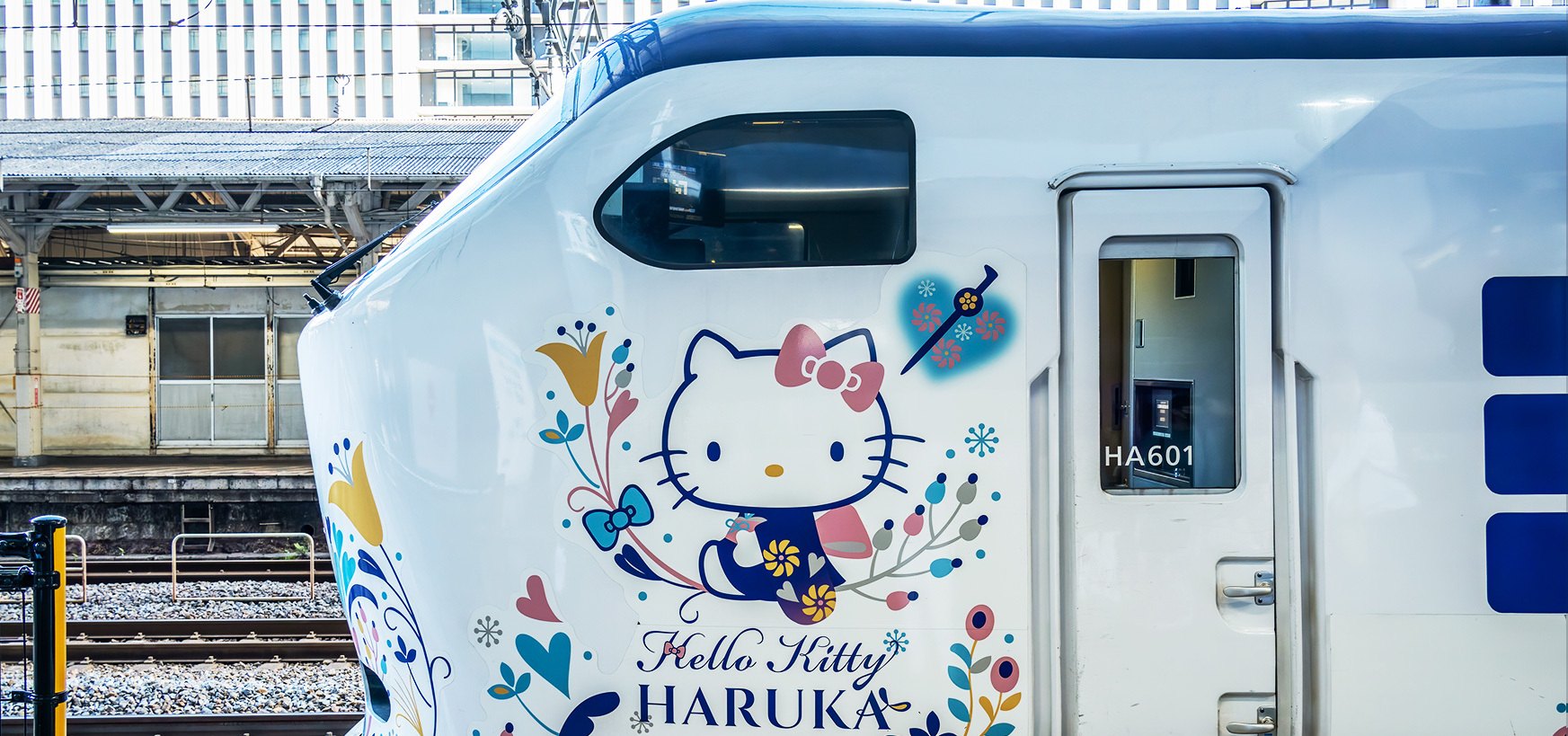
Picture Sanrio’s founder Shintaro Tsuji in 1974, watching sales jump whenever they added adorable designs to mundane products. Rather than dismiss this as frivolous, he launched Hello Kitty (a white cat with a bow and mysteriously absent mouth, allowing endless emotional projection) as the first systematically merchandised kawaii character.
But the true global transformation came through Pokémon’s radical reimagining of what cute could accomplish. These “pocket monsters” (colorful creatures with oversized eyes and childlike proportions) proved that kawaii characters could transcend cultural boundaries. Through their mukokusekiーnationless, or culturally ambiguous designー they could fit in anywhere.
This strategy spawned an entire ecosystem. San-X built their reputation on distinctly Japanese melancholy cuteness. Their flagship character, Rilakkuma, is a honey-colored bear who embodies the art of doing absolutely nothing. A zipper on his back hints at his costume-like nature, adding to his charm. He may be an “icon of relaxation,” but on San-X’s balance sheets he was anything but—earning ¥250 billion for the company by 2016.
Far from appealing only to the mainstream, the psychology behind cute also looks out for the outcasts. Sumikko Gurashi features anxious corner-dwelling creatures: a bashful polar bear, a self-conscious penguin, and a piece of leftover tonkatsu that never quite belonged. These characters turn the discomfort of not fitting in into something that can be cherished.
Meanwhile, regional yuru-kyara mascots have become the beating hearts of Japanese municipalities. From Aputan representing Aomori City to Kumamon championing Kumamoto Prefecture, these simple, unassuming designs forge emotional bonds between citizens and their hometowns.
Japan’s government recognized kawaii’s diplomatic potential, deploying cute ambassadors to promote cultural exchange. This approach works precisely because it doesn’t feel like traditional diplomacy. Cute characters succeed as cultural ambassadors because they seem genuinely innocent rather than strategically deployed, bypassing political resistance by appealing directly to emotional responses.
The participation revolution
Today’s kawaii culture extends into what Japanese society calls oshikatsu — the active support of beloved characters through dedicated fan engagement.
Such structured devotion involves elaborate planning and significant lifestyle adjustments. Picture devoted fans maintaining spreadsheets tracking release dates, organizing group purchases, traveling across the country for limited-edition collaborations. They queue for hours at pop-up shops and participate in character-themed seasonal campaigns, treating oshikatsu as both hobby and identity.
This represents a fundamental shift in how culture travels. Social media amplified this transformation, allowing character accounts to maintain daily relationships with millions of followers. Characters post about their daily lives and respond to fan comments—blurring lines between fiction and social interaction.
Globally, this adaptability is remarkable. In South Korea, the concept manifests as aegyo—a performance of cuteness influencing everything from K-pop choreography to corporate customer service. China’s meng economy demonstrates localization: domestic characters like Ali the Fox, a red-scarfed fox with expressive eyebrows who embodies Chinese internet culture, incorporate specifically Chinese cultural references while maintaining kawaii’s emotional appeal.
The neuroscience of empathy
Kawaii’s global success owes much to the simple neurology behind why we find certain things cute. Research demonstrates that viewing cute images significantly improves performance on tasks requiring careful attention. Baby-schema features (large heads, big eyes, soft curves) activate the brain’s reward system and release nurturing hormones, suggesting kawaii taps into fundamental human responses.
During the pandemic, this neurological dimension gained new relevance. Sending cute stickers or memes became a way to show care across digital distances, revealing kawaii’s deeper social utility beyond entertainment or commerce.
High art meets pop vulnerability
Contemporary artists have elevated kawaii into sophisticated cultural commentary. Takashi Murakami’s “Superflat” movement compresses boundaries between high art, commercial kitsch, and historical trauma. His smiling flowers, multicolored daisies with cartoon faces that simultaneously charm and unnerve, recall manga aesthetics while referencing Japan’s atomic bombing memories.
Yoshitomo Nara depicts children with anime-inspired features who often sport defiant expressions or hold tiny weapons. These figures capture an unsettling blend of innocence and rebellion that reveals cuteness’s capacity to express complex emotions.
The economics of cute
The numbers tell a remarkable story. Pokémon has generated over $103.6 billion in total retail sales, making it the highest-grossing media franchise in history. Japan’s character licensing industry is worth $9.3 billion annually, while the oshikatsu participation economy involves nearly 14 million people contributing ¥3.5 trillion annually. Kumamon alone generated over ¥1 trillion in sales in 2022.
The enduring power of softness
What lessons emerge from kawaii’s remarkable journey from teenage rebellion to global cultural phenomenon? First, that strategic softness allows any entity—whether corner stationery shop or entire municipality—to shed intimidating facades and appear genuinely approachable. Don’t be afraid to be cute.
Second, that vulnerability transforms into strength when it fosters authentic human connection. What do you love about a certain type of person or customer—and how would you make that kawaii?
Third, cultural ideas travel farthest when they remain infinitely adaptable to local contexts and contemporary anxieties.
As kawaii approaches its sixth decade, it continues evolving. New characters embody contemporary issues while maintaining the core principle that gentleness can be revolutionary. In a world often defined by conflict and complexity, kawaii offers an alternative model: the radical proposition that caring for small, imperfect things might be the most profound form of resistance.
For Japan, the softest approach is proving to leave the most enduring mark.